
Staying active does not have to mean intense workouts or complicated equipment. Low-impact outdoor activities can help you move more, enjoy nature, and build healthy habits throughout the year. These activities are generally easier on the joints than running or high-impact sports, while still supporting strength, balance, flexibility, and endurance.
The best activity is one you enjoy and can do regularly. By adjusting your plans to match the season, you can stay active outdoors in almost any weather.
Benefits of Low-Impact Outdoor Activities
Low-impact movement keeps at least one foot on the ground or reduces the amount of force placed on your joints. Examples include walking, cycling, swimming, paddling, and gentle hiking.
Regular outdoor activity can offer several benefits:
– Supports heart and lung health
– Builds lower-body and core strength
– Improves balance and coordination
– Encourages flexibility and mobility
– Provides a change of scenery
– Helps create a consistent routine
– Makes exercise feel more enjoyable and social
Outdoor activities can also be adapted for different fitness levels. You can begin with short sessions on flat paths and gradually add distance, time, or variety as your comfort improves.
Spring Activities for Fresh Energy
Spring is a natural time to return outdoors after colder months. Start slowly, especially if you have been less active during winter.
Walking and Nature Walks
Walking is one of the simplest ways to stay active. Try a neighborhood walk, a local park, or an easy nature trail. Look for routes with firm, even surfaces when you are beginning.
To add variety, create a few different walking routes:
– A short route for busy days
– A scenic route for weekends
– A trail with gentle hills for added challenge
– A social route for walking with friends or family
Bring a light jacket, water, and comfortable shoes. Since spring weather can change quickly, check the forecast before heading out.
Gardening
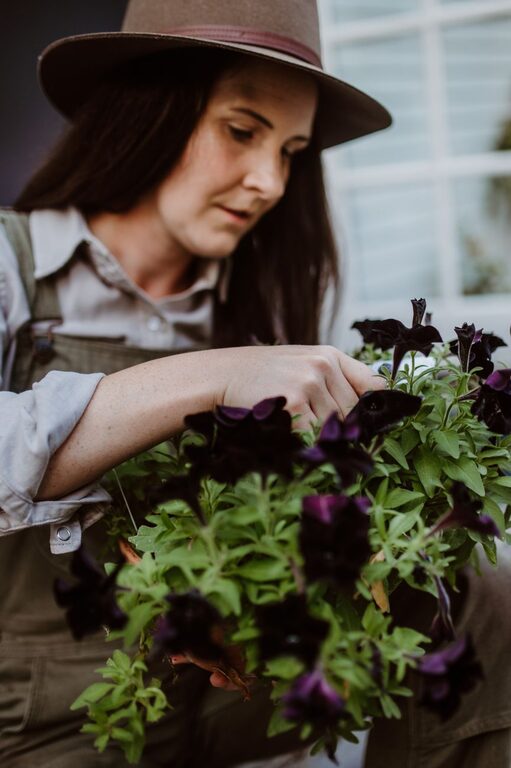
Gardening combines light physical activity with time outdoors. Digging, planting, watering, weeding, and carrying small amounts of soil can all involve movement.
To make gardening more comfortable, switch tasks regularly and avoid staying in one position for too long. Use raised beds or containers if bending is uncomfortable. A few short gardening sessions can be just as practical as one long session.
Easy Cycling
Cycling on paved paths or quiet streets provides gentle, steady movement. Begin with a relaxed ride on a familiar route. Make sure your bike fits comfortably, and wear a properly fitted helmet.
If outdoor cycling is not practical, many community centers and recreational facilities offer stationary bikes or indoor cycling areas.
Summer Activities for Warm-Weather Movement
Summer offers long days and many opportunities to be active. Plan around the heat by choosing cooler times of day, such as early morning or evening.
Swimming and Water Walking
Swimming is a full-body activity that places little stress on the joints. If swimming laps is not appealing, try water walking in a pool. The resistance of the water can support gentle strength work while helping you stay cool.
Follow pool safety rules, use designated swimming areas, and take breaks as needed. If you are near open water, choose locations with appropriate supervision and conditions.
Paddling
Canoeing, kayaking, and stand-up paddleboarding can provide a low-impact workout for the upper body and core. Beginners may prefer calm, shallow water and a guided class or group outing.
Wear a properly fitted life jacket, even if you are comfortable in the water. Keep your first trips short and focus on learning basic techniques before covering longer distances.
Outdoor Stretching
A short stretching routine in a shaded park or backyard can complement walking and other activities. Focus on gentle movements for the shoulders, hips, legs, and back. Avoid bouncing, and move only within a comfortable range.
A few minutes of stretching before or after a walk can help you transition into and out of activity.
Fall Activities for Variety and Scenery
Cooler temperatures and colorful surroundings make fall a pleasant season for outdoor movement.
Gentle Hiking
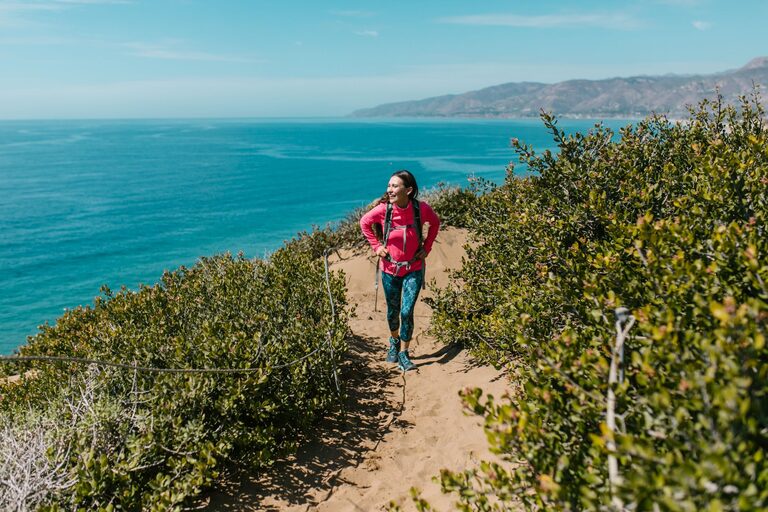
Choose trails that match your experience and current fitness level. A low-impact hike does not need to be long or steep. Look for well-maintained paths, moderate slopes, and places to rest.
Helpful items may include:
– Comfortable shoes with good traction
– Water and a light snack
– A small backpack
– Extra layers
– A phone or map
– A basic first-aid kit
Watch for wet leaves, mud, and uneven ground. Shorter steps and a steady pace can help you maintain balance on changing surfaces.
Walking Tours
Explore your community through a self-guided walking tour. Visit historic areas, public art displays, gardens, or local landmarks. Learning something along the way can make the activity feel less like exercise.
You can also plan a photo walk. Take pictures of seasonal colors, architecture, or interesting details while moving at a relaxed pace.
Outdoor Yoga or Tai Chi
Gentle yoga and tai chi can support balance, flexibility, and body awareness. Practicing outdoors can add a calming change of setting.
Use a stable, level surface and bring a mat if needed. Choose beginner-friendly movements and pause whenever a position feels uncomfortable.
Winter Activities for Safe, Steady Movement
Winter does not have to end your outdoor routine. The key is to choose suitable conditions and dress in layers.
Winter Walking
A brisk walk can be refreshing on a clear winter day. Select cleared paths and avoid areas that look icy. Shoes or traction aids designed for winter walking may improve stability.
Dress in layers that allow you to adjust as you warm up. Protect your hands, ears, and face, and carry water even when the temperature is cool.
Snowshoeing
Snowshoeing can be a low-impact way to explore snowy trails. It spreads your weight over a larger area, making it easier to walk on soft snow. Beginners should start on flat or gently rolling terrain and learn how to use the equipment before attempting longer outings.
Outdoor Ice Skating
Recreational ice skating can be gentle when done at a relaxed pace, but it requires balance and a safe skating surface. Choose a maintained rink, follow posted rules, and consider using support or taking a beginner class if you are new to skating.
If outdoor conditions are poor, replace the activity with an indoor walk at a community center, shopping area, or recreation facility.
Tips for Staying Active All Year
A seasonal routine is easier to maintain when it is flexible. Keep a few options available so one change in weather does not stop your plans.
Try these strategies:
– Set a modest weekly movement goal.
– Keep outdoor shoes and layers ready to use.
– Invite a friend or family member to join you.
– Track walks, rides, or time spent outdoors.
– Break longer activities into shorter sessions.
– Choose familiar routes when conditions are uncertain.
– Warm up with easy movement before increasing your pace.
– Stop if you feel pain, dizziness, or unusually short of breath.
Start with activities that feel manageable, then build gradually. Consistency matters more than intensity. Whether you are walking through a spring garden, swimming in summer, hiking in fall, or enjoying a clear winter day, low-impact outdoor activities can help you stay engaged and active in every season.
About the Author