
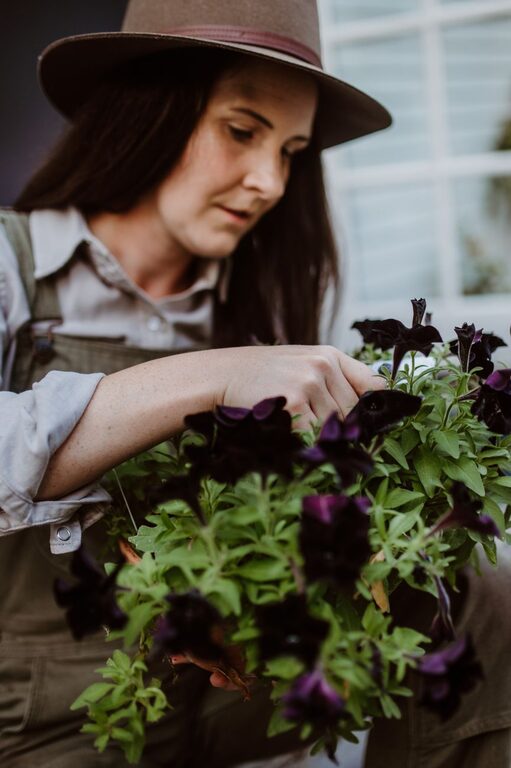
Gardening can be an enjoyable way to stay active while spending time outdoors. Digging, planting, watering, weeding, and carrying supplies all add movement to your day. However, gardening does not need to become a demanding workout. With the right projects and a thoughtful pace, you can keep moving while limiting strain and fatigue.
The key is to choose manageable tasks, organize your tools, and work in short sessions. These gardening projects are designed to encourage gentle, consistent movement without requiring heavy lifting or long periods of bending.
Create a Container Garden
Container gardening is one of the easiest ways to add activity to a small space. Pots can be placed on a porch, patio, balcony, or windowsill, and many plants grow well without a traditional garden bed.
Start with lightweight containers made from plastic, resin, or fabric. Fill them with potting mix before placing them in their final location, or use smaller containers that are easy to move.
Good choices for container gardens include:
– Herbs such as basil, parsley, mint, and thyme
– Salad greens such as lettuce and arugula
– Compact flowers such as marigolds and pansies
– Strawberries and other small fruit plants
– Dwarf vegetables such as patio tomatoes and peppers
Tending containers provides several small movements, including filling a watering can, checking leaves, removing weeds, and harvesting. Place containers at a comfortable height when possible so you do not need to kneel or bend repeatedly.
Plant a Small Herb Bed
An herb bed can be simple, useful, and easy to maintain. Choose a spot close to your kitchen or another convenient entrance. A small bed measuring a few feet across is enough for several herbs and will not require hours of upkeep.
Mark the area with a hose, string, or garden edging. Remove only the weeds and grass in the planting area, then loosen the soil with a hand tool. Add a thin layer of compost if needed and plant a few herbs that match your growing conditions.
To keep the project manageable, avoid planting too many varieties at once. Begin with three or four herbs and add more later if you enjoy the routine. Regularly pinching leaves, trimming stems, and harvesting small amounts keeps the plants productive while giving you a reason to visit the garden for a few minutes each day.
Build a Simple Pollinator Corner
A small pollinator garden adds color and wildlife without requiring a large planting area. Select a few flowering plants that bloom at different times of the year. Native plants are often a good choice because they are adapted to local conditions, but easy-care annuals can also work well.
Arrange plants in groups rather than spreading them across a large space. This makes watering, weeding, and trimming easier. You can also add a shallow dish with clean water and a few stones, creating a simple resting place for insects.
A pollinator corner is easy to tend in short visits. You might spend one session adding mulch, another removing spent blooms, and another checking for dry soil. These small tasks provide light movement while helping the garden look tidy.
Make a Small Raised Bed
A raised bed can reduce the amount of bending needed for planting and weeding. Choose a compact design that is easy to reach from all sides. A bed about two to three feet wide is often more convenient than a wide bed that requires reaching across the soil.
If you build the bed yourself, select materials that are easy to handle and ask for help with longer or heavier pieces. You can also purchase a ready-to-assemble kit. Fill the bed gradually rather than trying to move all the soil at once.
Plant low-maintenance crops such as leafy greens, bush beans, radishes, or compact flowers. Divide the bed into small sections and work on one section at a time. This makes the project feel more organized and helps prevent a single session from becoming too demanding.
Start a Compost Station
A compost station is a practical project that encourages regular outdoor activity. You do not need a large system. A small covered bin or a pair of compact compost containers may be enough for kitchen scraps and garden material.
Choose a level location that is easy to reach. Add suitable materials such as fruit and vegetable scraps, coffee grounds, dry leaves, and untreated plant trimmings. Avoid adding meat, dairy products, or materials treated with chemicals.
Turning or mixing compost can involve lifting, so choose a system that suits your space and keep the batches small. If turning is difficult, use a passive compost method and let time do most of the work. Checking the bin, adding materials, and collecting dry leaves are all simple ways to stay active.
Design a Garden Path
A short garden path can improve the layout of your yard while adding a gentle walking route. The path does not need to be large or complicated. A simple loop between a patio, planting bed, and water source may be enough.
Use lightweight materials such as mulch, gravel, stepping stones, or flat pavers. Work in sections, and avoid trying to move a large amount of material in one day. A small bucket or garden cart can help you transport supplies with less effort.
Once finished, the path gives you a natural reason to walk through the garden. You can use it while checking plants, watering, collecting herbs, or enjoying a quiet outdoor break.
Add a Vertical Garden
Vertical gardening makes use of walls, fences, railings, and sturdy supports. It can also reduce the amount of ground-level space that needs to be maintained.
Try growing:
– Climbing beans
– Small cucumbers
– Vining flowers
– Herbs in wall-mounted planters
– Strawberries in stacked containers
Check that any support is stable before adding plants. Keep planters light and avoid placing them where they must be lifted overhead. Arrange the garden so watering and harvesting can be done comfortably.
Training vines, tying stems, and picking produce are small tasks that keep your hands and body moving without requiring long periods of heavy work.
Plan Short Gardening Sessions
Pacing is just as important as the project itself. Instead of setting aside an entire day, divide gardening into short sessions. One visit might focus on watering, while another includes light weeding or harvesting.
Before you begin, gather the tools and materials you need. Keeping supplies nearby reduces unnecessary trips and makes the work more efficient. Alternate tasks so you are not staying in one position for too long.
A simple session might look like this:
- Walk through the garden and check the plants.
- Water a few containers or beds.
- Remove a small handful of weeds.
- Harvest herbs or vegetables.
- Put away tools and clear the work area.
Stop before you feel worn out, and leave larger tasks for another day. Gardening is most enjoyable when it remains a steady, comfortable part of your routine rather than a race to finish.
Choose Tools That Make Tasks Easier
The right tools can make light gardening projects more comfortable. Look for tools with padded handles, lightweight materials, and designs that match the task. A small garden cart, kneeling pad, long-handled cultivator, or hose nozzle can reduce unnecessary effort.
Keep frequently used tools in a weatherproof container near the garden. Clean and store them after use so they are ready for the next short session.
With a few manageable projects and a steady pace, gardening can keep you moving while leaving plenty of energy for the rest of your day. Choose projects you enjoy, work in small steps, and let the garden grow along with your routine.
About the Author